

Noticias Principales

Les Îles de Guadeloupe sont à l’honneur dans le nouveau film de voyage réalisé par Les Aventuriers Voyageurs, qui met en scène Gino Chouinard, animateur vedette de l’émission matinale Salut Bonjour. Le film est à découvrir dans les salles de cinéma du Québec dès le 18 octobre.
En quête de liberté après des années passées au rythme intense de l’émission matinale Salut Bonjour, Gino Chouinard s’offre une immersion au coeur des Îles de Guadeloupe, une destination où la nature luxuriante, la douceur de vivre, l’authenticité et l’âme créole s’entrelacent avec force.
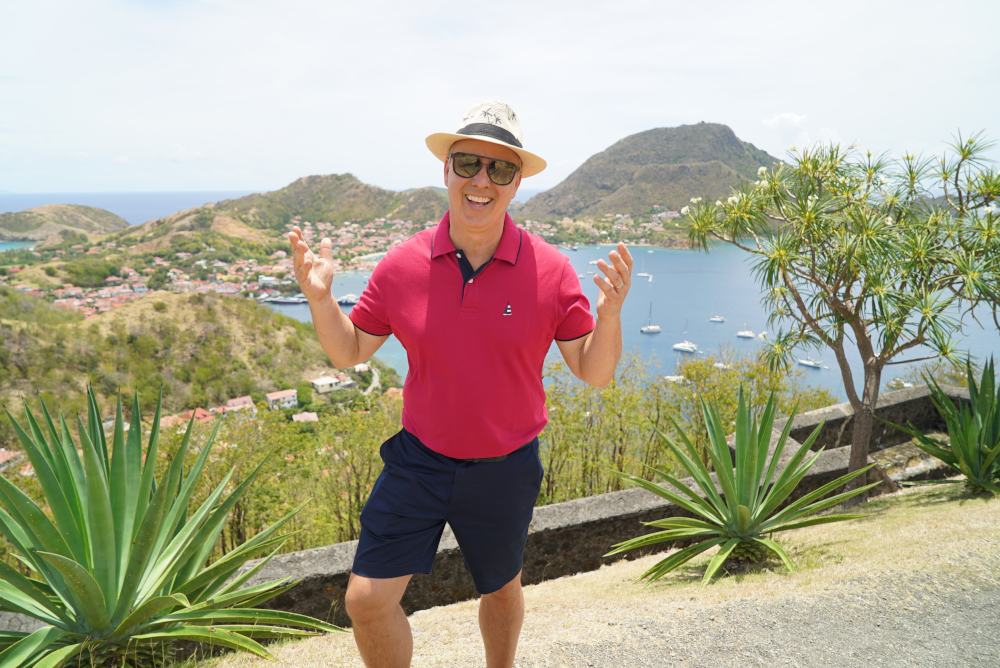
À seulement quatre heures de vol direct depuis Montréal toute l’année avec Air Canada, Air Transat, et depuis Québec en vols saisonniers, les Îles de Guadeloupe forment un archipel situé dans les Caraïbes françaises, composé de six îles aux personnalités bien distinctes : Basse-Terre, Grande-Terre, Marie-Galante, La Désirade, Terre-de-Haut, Terre-de-Bas (Les Saintes).
Chacune possède sa propre identité, son énergie et son caractère, offrant ainsi une grande diversité d’expériences aux voyageurs en un seul voyage. Il est également facile et accessible de passer d’une île à l’autre, plusieurs liaisons en ferry quotidiennes en traversier permettant de les rejoindre en moins d’une heure. Tourné aux quatre coins de l’archipel, ce film de 90 minutes accompagne Gino à la découverte des Îles de Guadeloupe, entre paysages d’exception, culture et traditions.
Bienvenue au coeur des Îles de Guadeloupe, à travers la visite des marchés locaux et des distilleries, une immersion au coeur de Pointe-à-Pitre, Ville d’Art et d’Histoire, une escapade à travers le Parc National de Guadeloupe et sa mangrove, ou encore une excursion à Marie-Galante, l’île aux cent moulins et aux champs de cannes à perte de vue. À bord d’un catamaran, Gino met le cap vers Terre-de-Haut (Les Saintes) et prend part à un atelier culinaire autour de la fabrication du tourment d’amour. Au fil d’échanges authentiques et d’expériences immersives, il part à la rencontre de celles et ceux qui font vivre et rayonner la destination au quotidien.
Ce film de voyage animé par Gino Chouinard sera présenté dans plus de 60 cinémas au Québec avec Les Aventuriers Voyageurs dès le 18 octobre. Vous pouvez visionner la bande-annonce et connaître l’horaire des représentations sur le site www.lesaventuriersvoyageurs.com.

There are festivals one attends, and there are festivals one inhabits. The 44th edition of the Festival International du Film sur l’Art (FIFA), held in Montreal, belongs unmistakably to the latter.
Founded in 1981 by René Rozon, FIFA has grown into the most important festival in the world dedicated to the international promotion and circulation of films on art and media arts. With an initial mission “to increase the knowledge and appreciation of art among the public,” the festival has, over more than four decades, built a remarkable legacy: over 5,000 films presented from nearly 80 countries and more than 400 awards granted. What began as a six-day event is now an 11-day celebration of artistic expression in cinematic form.
A City of Festivals, A Festival Apart
Montreal is a city that breathes festivals, with a cultural calendar that spans the entire year. In less than a year, I had already encountered several, each offering a distinct lens into cinema and culture.
Yet FIFA stood apart. Within this rich cultural landscape, it asserts a presence that is both precise and singular.
What makes FIFA distinctive is not only its longevity, but the clarity of its focus: a festival devoted to films that engage with art as subject, form, and experience. Moving fluidly across disciplines (cinema, visual arts, photography, architecture, dance, music, design, and digital and media-based practices) it expands the possibilities of what the moving image can hold.
What makes this discovery particularly meaningful for me is that it emerges from a broader trajectory shaped by experiences in film programming and curatorial practice. Before arriving in Montreal, I had the opportunity to engage with festivals such as the San Sebastián International Film Festival (Zinemaldia) and Punto de Vista in Pamplona, experiencing them both as a spectator and through more curatorial and institutional perspectives.
This dual position (between observation and internal understanding) has shaped the way I approach festivals not as isolated events, but as complex cultural systems. From this perspective, FIFA reveals its singularity not in opposition to other festivals, but through a distinct logic: one that prioritizes thematic coherence and artistic focus over scale.
It is precisely in this deliberate narrowing (this focus on art as both subject and practice) where its strength becomes visible.
FIFA does not limit itself to being an event. It functions as an ecosystem. Its professional hub, FIFA Connexions, its international network (FOAN), and its streaming platform ARTS.FILM extend its presence far beyond the eleven days of screenings. In contrast to festivals that sometimes concentrate their energy into a single temporal peak, FIFA distributes its influence across the year, sustaining a continuous circulation of art films, ideas, and collaborations.
This structural continuity is not anecdotal; it is ideological. It suggests that films on art and media practices should not be consumed as an isolated moment, but as an ongoing practice.
Entering the Festival: A Volunteer’s Perspective
My first real contact with FIFA came not through the screen, but through participation. I took part in the festival as a volunteer, joining a team of around 130 volunteers for this edition.
The room was full, an immediate indication of the scale and enthusiasm surrounding FIFA. During those sessions, we were introduced to the artistic and executive director, Philippe U. del Drago, as well as to the teams behind the festival’s different sections and programs.
But beyond the formal presentations, what struck me most was the atmosphere.
Entering the festival’s offices, I was greeted by a large Jean-Michel Basquiat poster dominating the wall, a bold statement of artistic intent. Surrounding it were framed posters from past editions, some featuring the unmistakable visual language of Keith Haring. It was not just decoration; it was a declaration: this is a festival that lives and breathes art.
Opening and Closing: A Full Circle Experience
I had the privilege of attending both the opening night and the closing screening of the festival, witnessing its beginning and its conclusion.
The festival officially opened on March 12 at the Monument-National, one of Montreal’s emblematic cultural venues. The theater was completely full, a powerful testament to the audience’s anticipation. The opening film, Mon Amour c’est pour le restant de mes jours, set the tone for what was to come, not only as a cinematic experience, but as a conceptual entry point into the festival itself.
Days later, the closing film, The Way We Move, offered a different but equally resonant perspective, bringing the experience to a meaningful close.
As someone deeply connected to visual arts, cinema, and the moving image, being able to inhabit the festival across its duration felt like entering a sustained artistic atmosphere, one shaped not only by films, but by encounters, conversations, and shared sensibilities. The experience was not only cinematic, but profoundly artistic, while extending into a sense of community and shared collaboration.
Watching the Festival: A Curated Immersion
Beyond my role as a volunteer, I attended seven film sessions across different sections of the program, including the Carte Blanche selection More-Than-Human Worlds, curated by Pauline Soh, Senior Curator of Programmes at the National Gallery Singapore, presenting a program of six works by contemporary Southeast Asian artists and filmmakers. From there, the program shifted into other sections and perspectives: Viktor, Two Strangers Trying Not to Kill Each Other, The Designer is Dead, Farruquito: A Flamenco Dynasty, and the closing film, The Way We Move.
This selection of films offers only one possible reading of the festival. Had I chosen a different set of screenings or Carte Blanche programs, I would have inevitably encountered another constellation of works and, with it, another version of FIFA. With hundreds of films presented across the festival, it is impossible to grasp it in its entirety. Yet there is also something rewarding in this partial access: the freedom to build one’s own path through the program, and to construct a personal reading based on what time, curiosity, and circumstance allow.
This sense of partiality becomes even more evident when considering the scale of the 44th edition: 178 titles from 52 countries, including 60 Canadian films, with 41 world premieres. Notably, 93 films were (co-)directed by women, reflecting a strong commitment to diverse voices in contemporary films on art. The official competitions included 23 international and 17 national entries, highlighting a careful balance between global reach and local presence.
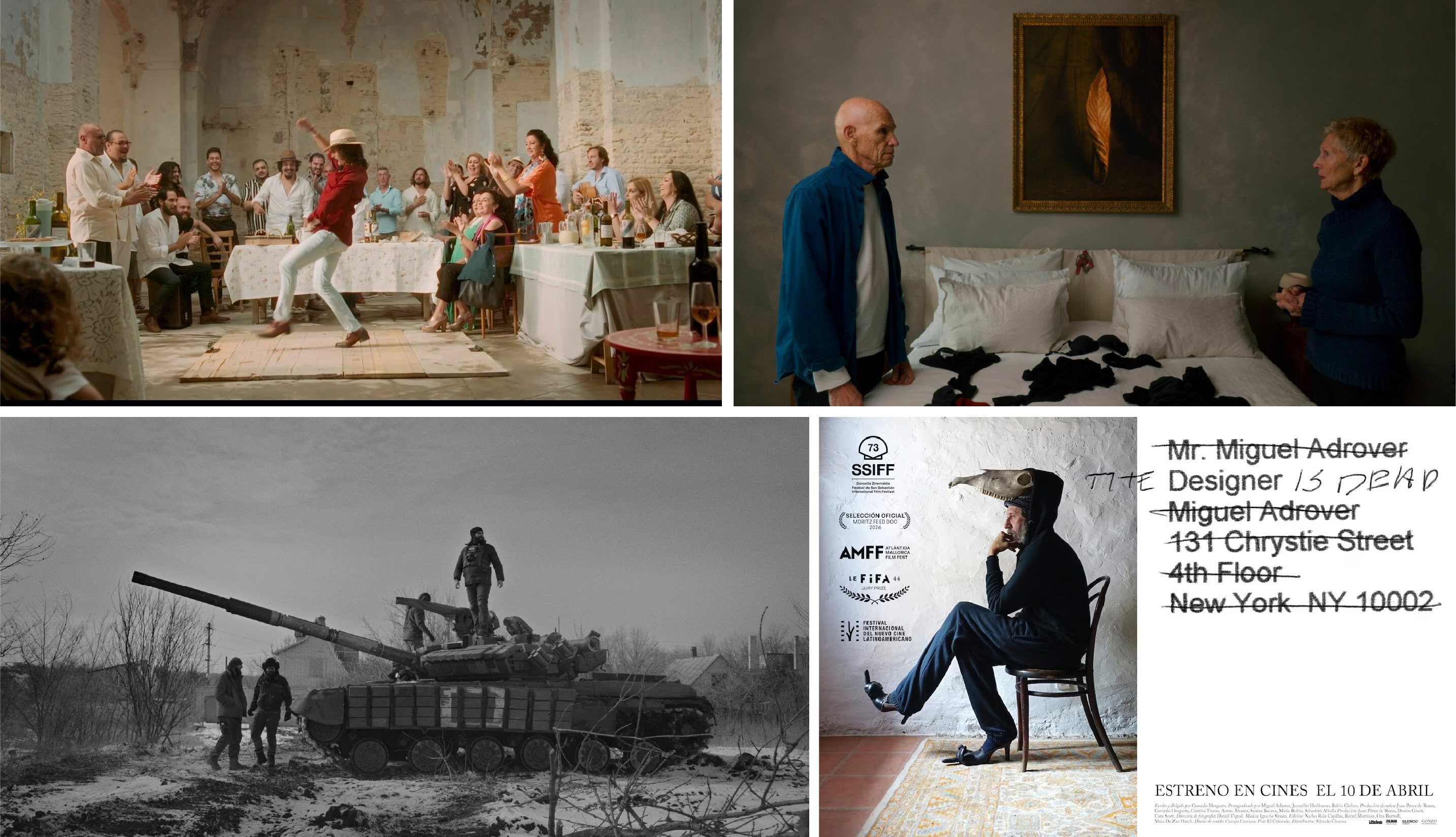
Stills from selected films, from left to right: Farruquito: A Flamenco Dynasty, Two Strangers Trying Not to Kill Each Other, Viktor and The Designer is Dead.
Recurring Themes: Art, Mortality, and the Human Condition
Across the screenings I attended, a pattern began to emerge, one that I had not anticipated, yet felt deeply coherent within the festival’s curatorial vision: a sustained reflection on mortality.
Mon Amour c’est pour le restant de mes jours, centered on Quebec filmmaker Robert Morin, emerged as one of the most striking films in my selection. As a newcomer to Montreal, I was searching for traces of non-commercial, local cinema, voices that exist beyond mainstream recognition. Discovering his work through this intimate lens felt like an initiation into a lesser-known cultural lineage.
This reflection on life and its finitude reappeared in Two Strangers Trying Not to Kill Each Other, where photographer Joel Meyerowitz and writer Maggie Barrett confront aging, artistic frustration, and the inevitability of death through the prism of their relationship. Similarly, the documentary on Farruquito carries an underlying awareness of legacy and generational continuity, unfolding between glory and tragedy, while The Designer is Dead plays with the ambiguity of disappearance, revealing a creator, Miguel Adrover, who has not died, but has instead withdrawn from the systems that once defined him.
In all these works, death is not treated as spectacle, but as a condition, something to think with, rather than something to fear. It appears less as an event than as a structure, quietly shaping how time, memory, and artistic gesture unfold.
Alongside this line of inquiry, another thematic thread emerged around the relationship between art, the body, and access. In the words of FIFA’s Artistic Director Philippe U. del Drago, art can be understood as “a laboratory for the expansion of human language,” where it constantly shifts imaginaries, reconfigures perception, and redefines what is visible, audible, and thinkable. He further writes that cinema, perhaps more than any other art form, becomes the space where these languages meet, collide, and translate one another, asking us to “learn the language of the other” not as assimilation, but as a form of openness and displacement.
Within this framework, films such as The Way We Move explore how deaf communities experience and collectively translate music, expanding the sensory boundaries of performance. In a more politically charged register, Viktor follows a deaf Ukrainian man during the ongoing war, whose desire to enlist in the army confronts the structural limits imposed by his condition. Unable to serve as a soldier, he turns to photojournalism in search of purpose and participation. Here, deafness is not only a question of accessibility, but of agency, usefulness, and belonging within a nation at war.
Even indirectly, projects like Song of the Hands point toward a redefinition of how art can be transmitted, translated, and felt. Taken together, these films suggest that FIFA is not only about representing art, but about interrogating who art is for, and under what conditions it can be experienced, shared, or even lived.
FIFA Connexions: A Global Network of Art and Cinema
For its 44th edition, FIFA signals a shift in its professional program through FIFA Connexions, conceived not merely as an industry platform but as a dynamic space for exchange, learning, and professional development. Through round tables, conferences, workshops, and pitch sessions, it creates conditions for dialogue around key contemporary challenges, creation, distribution, financing, and the circulation of works.
What distinguishes Connexions is its deliberate inclusivity: it places emerging voices and early-career professionals in direct conversation with established figures, fostering an environment where knowledge is shared horizontally rather than hierarchically. In this sense, it functions as a laboratory for future collaborations and as a bridge between local and international ecosystems.
FOAN: Extending the Network
FOAN (Festival of Films on Art Network) operates as a distinct but complementary structure. Composed of member institutions across North America, South America, Europe, and Asia, it facilitates the exchange of knowledge and practices while supporting the production, circulation, and visibility of films on art.
More than a formal alliance, FOAN acts as a space of dialogue and collaboration, where partners collectively reflect on the evolving role of art films within a global cultural landscape. In this context, such films can be understood as sensitive indicators of social and cultural change, carrying meanings that extend beyond the screen.
A Festival Beyond Time and Space
One of FIFA’s most compelling evolutions is its digital extension: ARTS.FILM. This online platform transforms the festival into a year-round experience, offering access to more than 600 films that are otherwise difficult (or impossible) to find.
During the festival period and beyond, audiences can continue exploring its programming from home, extending the life of the festival beyond its physical duration.
Belonging Through Festivals
As a recent arrival in Montreal, my experience of FIFA is inseparable from my process of building a sense of belonging within the city.
What becomes evident over time is that Montreal’s festivals do not compete, they coexist. Each occupies a specific space within an annual cultural cycle, addressing different audiences, disciplines, and sensibilities. Together, they form a living ecosystem.
Within this landscape, FIFA stands out as the festival with which I feel the strongest intellectual and professional affinity. Its focus on art, its curatorial rigor, and its expanded structure resonate with contemporary practices in curatorial studies and film programming, particularly those concerned with expanded notions of exhibition and circulation.
To encounter such a festival not only as a spectator, but also as a volunteer, is to engage with it on multiple levels.
Beyond the Festival
FIFA ultimately invites a broader reflection on what a film festival can be today. In an era where images circulate endlessly and attention is fragmented, FIFA proposes an alternative model: one rooted in depth, continuity, and dialogue across artistic practices. Its commitment to art is not static or self-referential, but oriented toward a transdisciplinary space in which perception itself is reshaped, particularly at a moment marked by global instability and the ongoing violence of multiple conflicts, where artistic practices also become sites of reflection, resistance, and solace.
If traditional festivals often seek to frame the present of film, FIFA seems to ask a different question: what is the place of art within it?
And perhaps more importantly, who is it for, and under what conditions does it become accessible, perceptible, and shared?
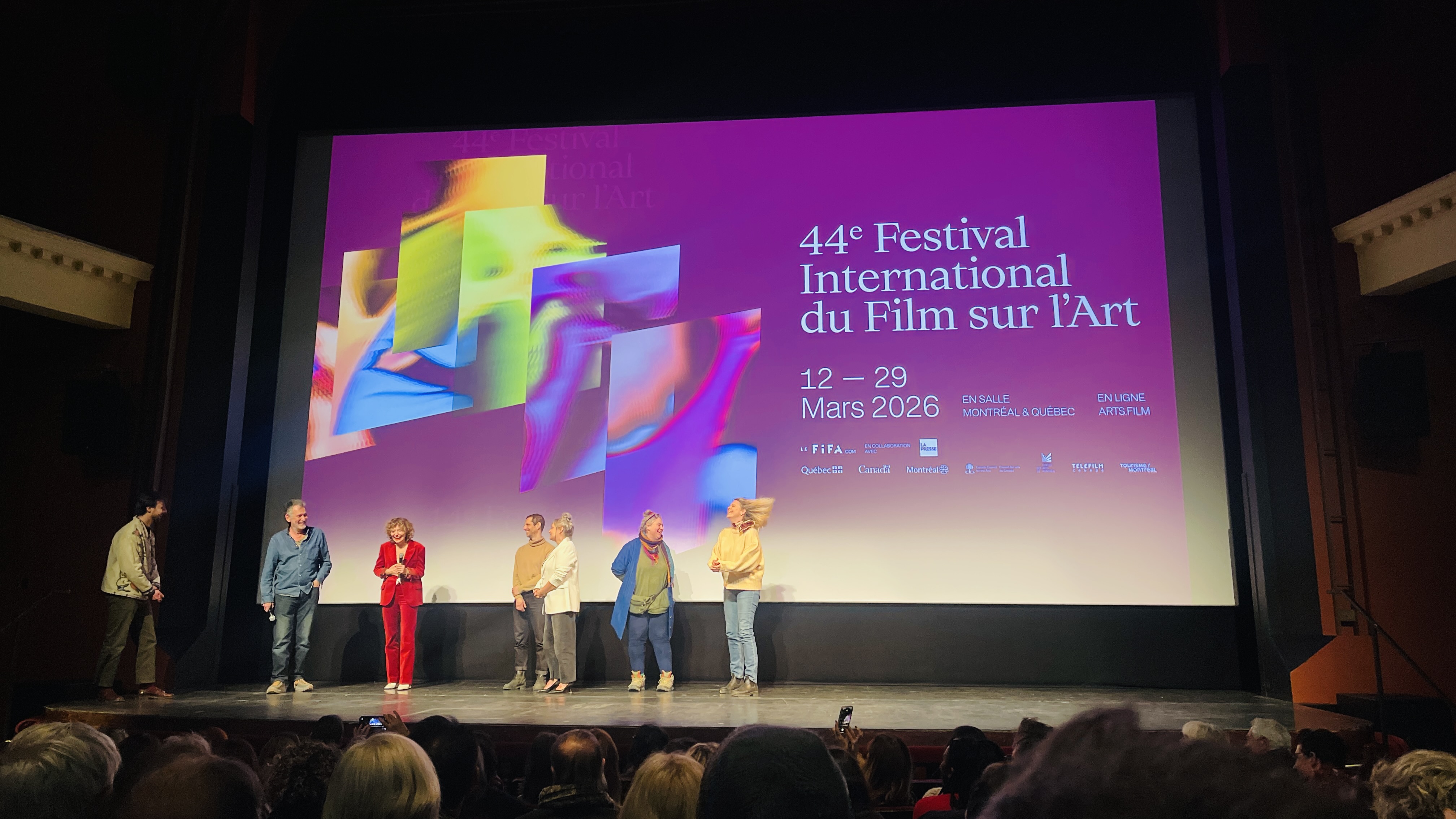
On Thursday, March 12, the Festival International du Film sur l’Art (FIFA) opened its 44th edition at the Monument-National, one of the most important film events dedicated to cinema about art. The film chosen to open the festival was the documentary Mon amour, c’est pour les restant de mes jours, directed by Quebec filmmaker André-Line Beauparlant, an intimate work that explores the life and work of her partner, filmmaker Robert Morin.
Running 95 minutes and narrated in Quebec French, the film unfolds as a deeply personal portrait. Beauparlant, known for her work as an art director on numerous Quebec film productions and for documentaries about members of her own family, turns her camera here toward the partner with whom she has shared her life for decades.
The two met when Morin was 44 and Beauparlant 27. She was just beginning her career in cinema and was working as a set decorator on Morin’s film Windigo (1994). From that encounter began a relationship that, over time, also evolved into a creative dialogue.
The documentary adopts a curiously dual form. Beauparlant almost never appears on screen, yet her presence is constant: we hear her voice, her reflections, and the questions and statements she directs to Morin. The film thus works as a kind of intimate diptych. On one side is the portrait of the filmmaker; on the other, the loving (and at times inquisitive) gaze of the person observing him.
With more than thirty-five films in his career, Morin emerges as a deeply atypical figure within Canadian cinema. He has never pursued commercial filmmaking. Over the years his work has moved through different formats, from Super 8 to magnetic video and, more recently, digital media. By revisiting her partner’s archives, Beauparlant shows how each technological shift became for him an opportunity for exploration.
When she asks him how he would define his art, Morin responds with disarming honesty: he is interested in showing things that unsettle people, images that make viewers uncomfortable. He confesses that making art is what helps him fight depression; art, he admits, is his addiction.
In one of the documentary’s most revealing passages, Morin speaks about “the weight of dreams”: the films that exist in one’s imagination but are never completed. For him, part of the craft lies in accepting the failure of certain projects that will never see the light of day. And yet, whenever he sits down at his computer, he feels as if he has entered a kind of sanctuary.
This absolute dedication to artistic work also implies a degree of selfishness, the filmmaker acknowledges. He explains that he has always tried to avoid distractions that might take time away from his creative practice. He had two children from previous relationships, but with Beauparlant he did not build a family in that sense.
As the conversation unfolds, a darker dimension of Morin’s biography also emerges. He recalls a traumatic childhood event: he was walking with a friend when suddenly a bus struck the boy. The child died instantly while Morin remained unharmed. The image of blood and bones deeply marked his memory; for several days, he says, he even lost his sense of time.
Death would appear again in other ways throughout his life. His father was injured in a collision with a train and remained bedridden for years, and their relationship was distant and lacking affection. Later, his mother died in a fire caused by Christmas decorations.
And yet the documentary makes clear that Morin is not a dark or fatalistic figure. Rather, he seems to be someone who has learned to live with the constant presence of loss.
This reflection on death also runs through the film project Morin attempts to make during the years Beauparlant is filming him. It is a fiction centered on a moose wounded by an arrow who, aware of his fate, lies down in the forest to await death. The director hopes to film how the animal’s body becomes food for other creatures (bears, coyotes, scavengers) and eventually decomposes.
But nature does not cooperate with the script. Only a few vultures, some birds, and occasionally a fox appear. The filmmaker’s persistence in trying to capture the moment becomes almost absurd and, at the same time, deeply human. At one point he even resorts to small manual tricks to simulate the breathing of the dying moose, hoping to record the animal’s final gasps.
In contrast to this obsession with death, Beauparlant’s documentary seems guided by another force. At one point in the film, Morin asks his partner whether she thinks about death. She answers that she does not. He, on the other hand, admits that he thinks about it often.
She then formulates a quiet conclusion: if Morin’s film about the moose is an attempt to understand death, hers is, instead, a film about love.
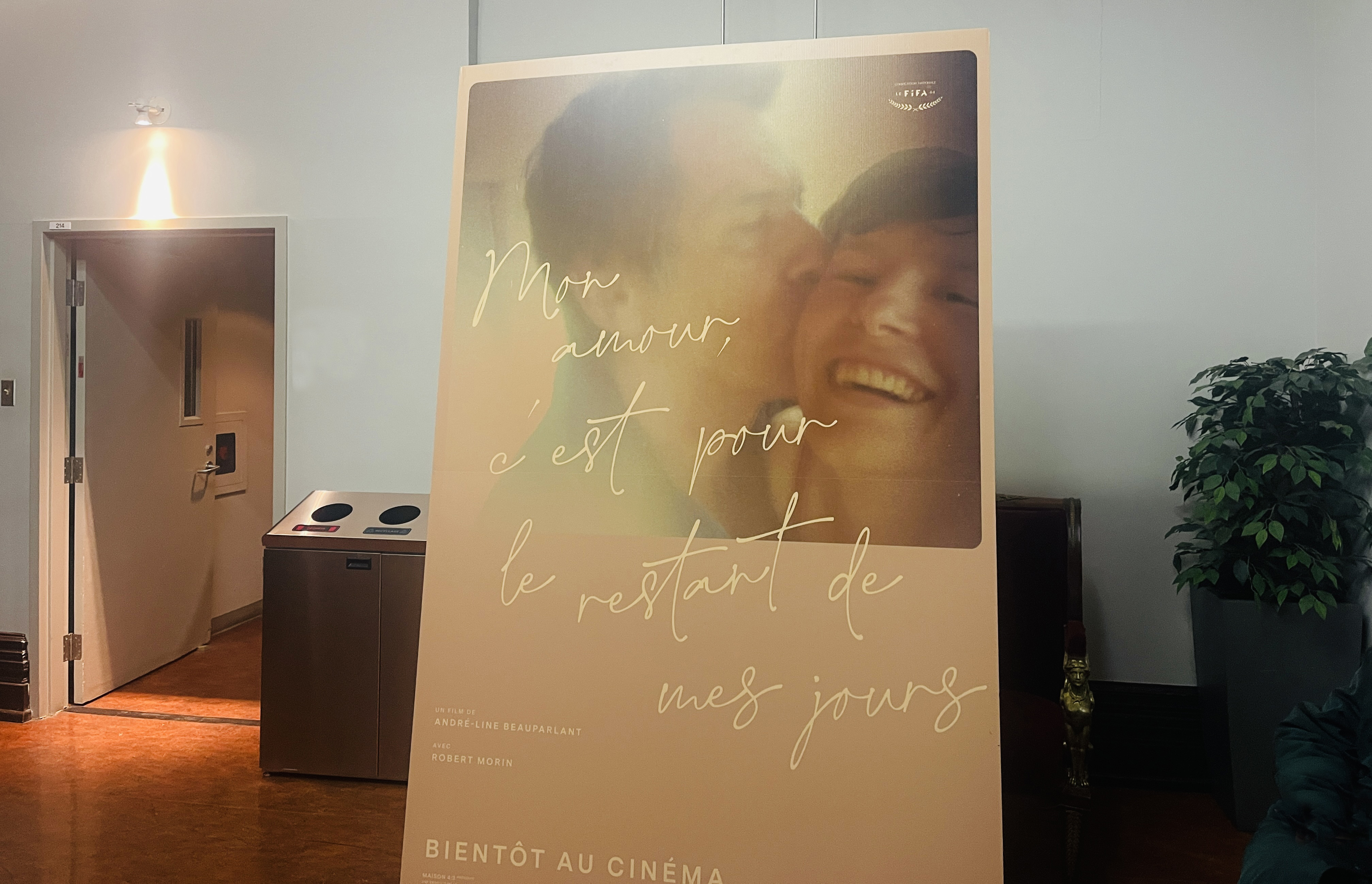
The opening screening also had a special element: both André-Line Beauparlant and Robert Morin were present in the theater, sharing the experience with the audience. It is one of the small kinds of magic that film festivals manage to weave, the direct encounter between a work and the people who created it.
For Morin, the evening carried particular significance. It was the first time he had seen the completed documentary his partner had made about him. Before the screening began, Beauparlant tried to reassure him with a simple phrase: “Everything will be fine, Robert.”
When the lights came up at the end of the film, unanimous applause filled the room. Visibly moved (and perhaps a little overwhelmed by the attention) Beauparlant and Morin went up together to the cinema podium to thank the audience. He told her then that she had done a tremendous job; she received the comment with genuine surprise and a smile.
Thus, amid emotion, complicity, and cinema, the first screening of the 44th edition of the Festival International du Film sur l’Art was officially inaugurated.
El jueves 12 de marzo se inauguró en el teatro Monument-National la 44ª edición del Festival International du Film sur l’Art (FIFA), uno de los encuentros cinematográficos más importantes dedicados al cine sobre arte. La película encargada de abrir el festival fue el documental Mon amour, c’est pour les restant de mes jours, dirigido por la cineasta quebequense André-Line Beauparlant, una obra íntima que explora la vida y la obra de su pareja, el cineasta Robert Morin.
Con una duración de 95 minutos y narrada en francés quebequense, la película se presenta como un retrato profundamente personal. Beauparlant, conocida por su trabajo como directora artística en numerosas producciones del cine quebequense y por documentales dedicados a miembros de su familia, dirige aquí su mirada hacia el compañero con quien comparte su vida desde hace décadas.
Ambos se conocieron cuando Morin tenía 44 años y Beauparlant 27. Ella comenzaba su camino en el cine y trabajaba como decoradora de set en la película Windigo (1994), dirigida por Morin. A partir de ese encuentro comenzó una relación que, con el paso del tiempo, se transformó también en un diálogo creativo.
El documental adopta una forma curiosamente doble. Beauparlant casi nunca aparece en pantalla, pero su presencia es constante: escuchamos su voz, sus reflexiones y las preguntas y declaraciones que le dirige a Morin. La película funciona así como un díptico íntimo. Por un lado, el retrato del cineasta; por el otro, la mirada amorosa (y a veces inquisitiva) de quien lo observa.
Morin, con más de treinta y cinco películas en su trayectoria, se revela como un cineasta profundamente atípico dentro del panorama canadiense. Nunca ha perseguido el cine comercial. Su trabajo ha transitado por distintos formatos a lo largo de los años: desde el Super 8 hasta el video magnético y, más recientemente, el medio digital. Beauparlant revisita los archivos de su compañero y muestra cómo cada cambio tecnológico fue para él una oportunidad de exploración.
Cuando ella le pregunta cómo definiría su arte, Morin responde con una franqueza desarmante: le interesa mostrar aquello que sacude al espectador, lo que lo incomoda. Confiesa que hacer arte es lo que le ayuda a combatir la depresión; el arte, admite, es su adicción.
En uno de los pasajes más reveladores del documental, Morin habla del “peso de los sueños”: esas películas que existen en la imaginación pero que nunca logran realizarse. Para él, parte del oficio consiste en aceptar el fracaso de ciertos proyectos que jamás verán la luz. Aun así, cada vez que se sienta frente a su computadora siente que entra en una especie de santuario.
Esa dedicación absoluta al trabajo artístico también implica un grado de egoísmo, reconoce el propio cineasta. Explica que siempre intentó evitar distracciones que pudieran alejarlo de su creación. Tuvo dos hijos en relaciones anteriores, pero con Beauparlant no formó una familia en ese sentido.
A lo largo de la conversación emerge también una dimensión más oscura de su biografía. Morin recuerda un episodio traumático de su infancia: caminaba con un amigo cuando, de pronto, un autobús lo atropelló. El niño murió en el acto mientras él permanecía ileso. La imagen de la sangre y los huesos marcó profundamente su memoria; durante días, cuenta, perdió incluso la noción del tiempo.
La muerte volvería a aparecer en su vida de otras formas. Su padre sufrió un accidente al chocar contra un tren y quedó postrado durante años, y su relación con él fue distante, sin afecto. Más tarde, su madre moriría en un incendio provocado por una decoración navideña.
Sin embargo, el documental deja claro que Morin no es una figura sombría ni fatalista. Más bien parece alguien que ha aprendido a convivir con la presencia constante de la pérdida.
Esa reflexión sobre la muerte atraviesa también el proyecto cinematográfico que Morin intenta realizar durante los años en que Beauparlant lo filma. Se trata de una ficción centrada en un alce herido por una flecha que, consciente de su final, se recuesta en el bosque para esperar la muerte. El director quiere filmar cómo el cuerpo se convierte en alimento para otros seres: osos, coyotes, carroñeros y, posteriormente se degrada.
Pero la naturaleza no coopera con el guion. Apenas aparecen algunos buitres, ciertas aves y ocasionalmente un zorro. La obstinación del cineasta por capturar ese momento se vuelve casi absurda y, al mismo tiempo, profundamente humana. Incluso llega a utilizar pequeños trucos manuales para simular la respiración del alce agonizante, intentando registrar los últimos estertores del animal.
En contraste con esa obsesión por la muerte, el documental de Beauparlant parece estar guiado por otra fuerza. En un momento de la película, Morin le pregunta a su pareja si ella piensa en la muerte. Ella responde que no. Él, en cambio, admite que sí lo hace con frecuencia.
Entonces ella formula una especie de conclusión silenciosa: si la película de Morin sobre el alce es un intento por comprender la muerte, la suya es, en cambio, una película sobre el amor.
La proyección de apertura tuvo además un elemento especial: tanto André-Line Beauparlant como Robert Morin se encontraban presentes en la sala, compartiendo la experiencia con el público. Esa es una de las pequeñas magias que los festivales de cine consiguen tejer: el encuentro directo entre las obras y quienes las crean.
Para Morin, la velada tenía un significado particular. Era la primera vez que veía terminado el documental que su pareja había realizado sobre él. Antes de que comenzara la proyección, Beauparlant intentó tranquilizarlo con una frase sencilla: “Todo irá bien, Robert”.
Al encenderse las luces al final de la película, un aplauso unánime llenó la sala. Visiblemente conmovidos (y también un poco abrumados por la atención) Beauparlant y Morin subieron juntos al podio del cine para agradecer la recepción. Él le dijo entonces que había hecho un trabajo tremendo; ella, sorprendida, recibió el comentario con una sonrisa genuina.
Así, entre emoción, complicidad y cine, quedó inaugurada la primera proyección de la 44ª edición del Festival International du Film sur l’Art.

Crédit photo: ©Orbita Popular
La 46.ª edición del FIJM convirtió nuevamente las calles de Montreal en un gran escenario multicultural, donde artistas de Perú, Colombia, Puerto Rico, México y Cuba cautivaron a miles de espectadores con propuestas que fusionaron tradición, innovación y una extraordinaria diversidad musical.

Crédit photo: ©victordiazlamich
El Gran Combo de Puerto Rico fait vibrer Montréal - La Salle Wilfrid-Pelletier affichait complet. Des milliers de passionnés de salsa avaient répondu présents pour assister au concert du légendaire El Gran Combo de Puerto Rico, dans une ambiance festive où la musique, la danse et les émotions étaient au rendez-vous.

Crédit photo: Frédérique Ménard Aubin
Durant la Coupe du monde de soccer, chacun affiche fièrement les couleurs de son pays. Pourtant, s'il est un langage capable de rassembler les peuples au-delà des rivalités sportives, c'est bien celui de la musique.
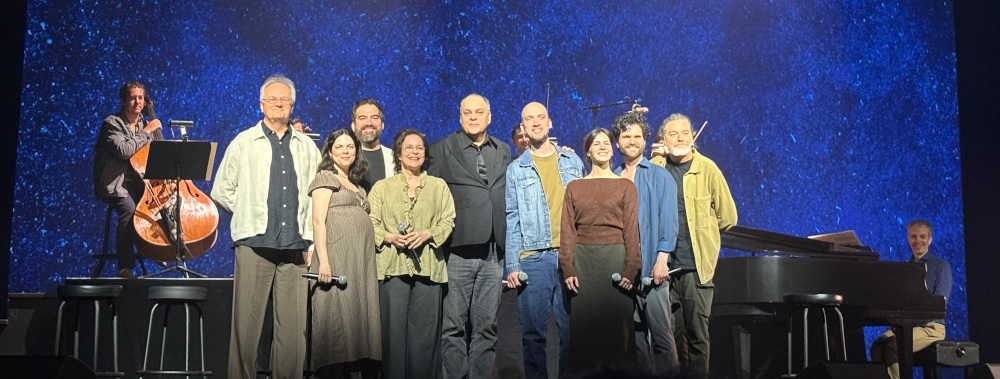
Orbita Popular s’est rendue sur l’invitation de LCQ Productions afin de découvrir, à l’Espace Saint- Denis, la distribution du spectacle Félix, Je me souviens, une création d’envergure consacrée à l’univers de Félix Leclerc. À cette occasion, un extrait a été présenté, offrant un premier regard sur ce voyage artistique et sensoriel qui prendra vie à l’automne 2026 à Montréal et à Québec.
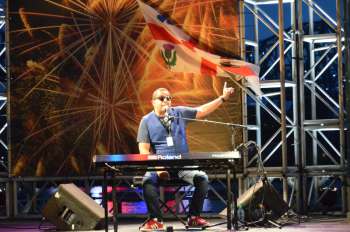
Gregory Charles durante su espectáculo la noche de la clausura de los fuegos artificiales. - Foto: Patrick Sheridan
Noche de clausura de la competencia más prestigiosa en el mundo de fuegos pirotécnicos estuvo realzada por la performance del enigmático Gregory Charles y sus músicos antecediendo el anuncio de los ganadores de este certamen. Gregory contribuyó asimismo con la selección de la banda sonora de los fuegos lanzados por Panzera & Rozzi's Famous Fireworks. Estas dos compañías no decepcionaron a su público ya que presentaron un hermoso espectáculo priotécnico digno de una final y para celebrar los 25 años del Casino de Montreal. Los tiros fueron muy hermosos, usaron muy bien el lago e innovaron con muchos tiros horizontales de un lado a otro. El público vibró incansablemente durante su presentación. Las canciones seleccionadas incluían temas de artistas conocidos desde Simple Plan hasta Celine ion, desde Marie-Maie hasta Hubert Lenoir y Loud. Bravo!
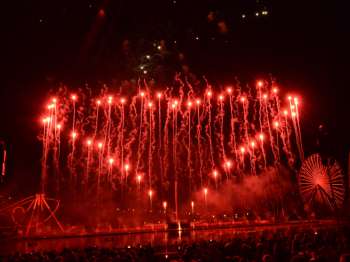
El gran corazón que hizo vibrar al público. Foto: Patrick Sheridan
ESTADOS UNIDOS
Atlas Pyrovision Inc. tuvo excelentes condiciones climáticas para presentar su obra pirotécnica en la competencia más aclamada en el mundo con el tema Espíritu de la Selva.
Sus primeros disparos fueron coloridos y contundentes. Nos llevaron suavemente a admirar los diferentes cuadros musicales y pirotécnicos desplegados en los cielos y sobre el lago. La sincronización con la música fue impecable y las técnicas de tiro casi perfectas.
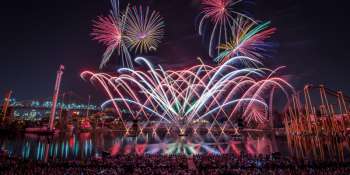
Foto: Parc Jean-Drapeau
La Ronde se enorgullece en presentar la 35ª edición de L'International des Feux Loto-Québec. Una vez más este año, La Ronde presentará una temporada de calibre internacional. Del 29 de junio al 27 de julio, los cielos de Montreal se iluminarán y se presentarán los mejores artistas de fuegos artificiales del mundo.
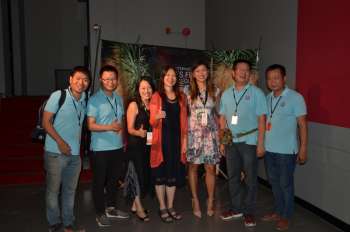
Equipo de China 2018 - Foto: Patrick Sheridan
Durante más de veintiocho años que cubrimos los Fuegos Artificiales de Montreal hemos visto desfilar a los mejores representantes de la industria pirotécnica del mundo y puedo testimoniar que es el evento más prestigioso debido a su popularidad, calidad de los fuegos artificiales, la apertura en aceptar nuevos países participantes, a la seguridad pirotécnica y a la camaradería que hay entre los pirotécnicos de La Ronde y los participantes. Todos estos elementos hacen que este evento sea el más popular del verano donde los expertos pirotécnicos vienen a concursar y dan lo mejor en sus espectáculos para quizás llevarse el prestigioso Júpiter de Oro a casa.